Essential Handbooks for Writers
Books written from inside the trade.
Stewart Ferris has published hundreds of books and written more than fifty of his own. These titles are the practical ones — craft, time, publishing, and the names on the page. Choose Amazon.co.uk or Amazon.com.
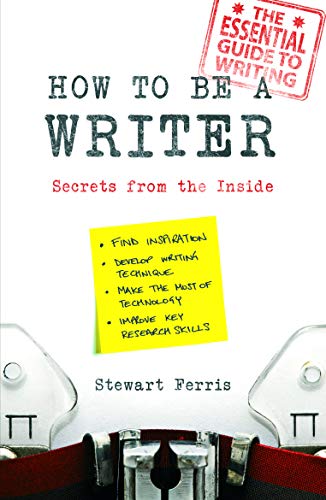
How to be a Writer
In this updated and expanded edition, Stewart Ferris uses his industry know-how to give you the tips, tricks and inside knowledge you need to become a successful writer — books, scripts and beyond. Voice as a USP, surviving criticism, writer’s block, submissions, and selling work as an e-book.
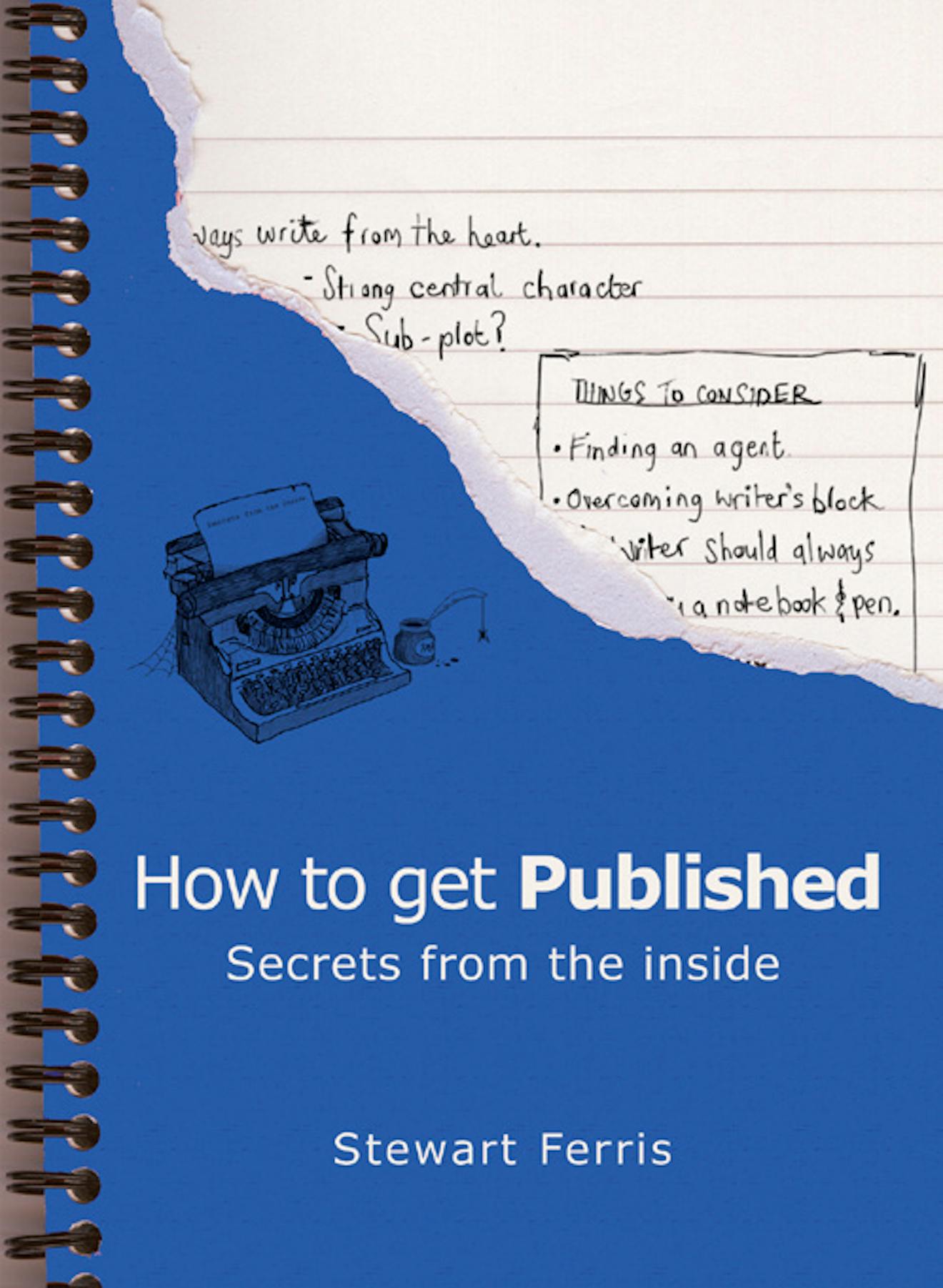
How to Get Published
Most writers remain unpublished because they attend only to the quality of the writing. Publishers are business people. After fifteen years in the industry, Stewart sets out the other factors they weigh: market, submission, synopsis, and the avoidable reasons a manuscript is turned away.
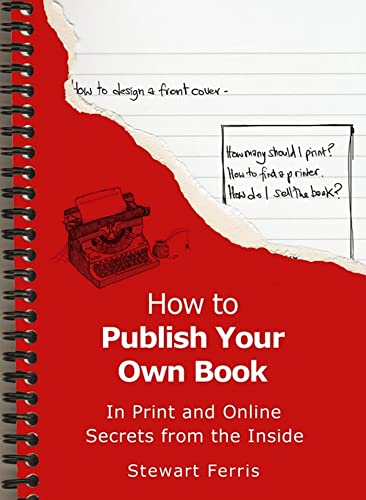
How to Publish Your Own Book
Skip the months of rejection slips and join the industry at its own game. From manuscript to printed copy and shop shelf — or to an e-book sold online — including the lessons of the UK’s first self-publishing agency, founded in 1993.
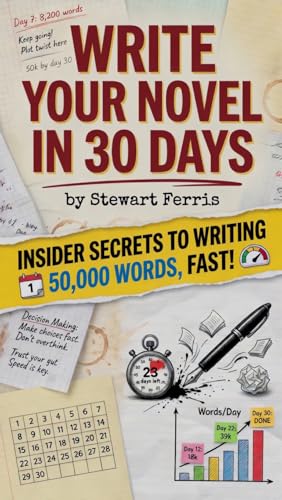
Write Your Novel in 30 Days
A fast-track guide to writing the novel you have always meant to write. A novelist, publisher and teacher distils the month-long draft: how to start, how to keep the daily quota, and how to finish a book that actually exists.
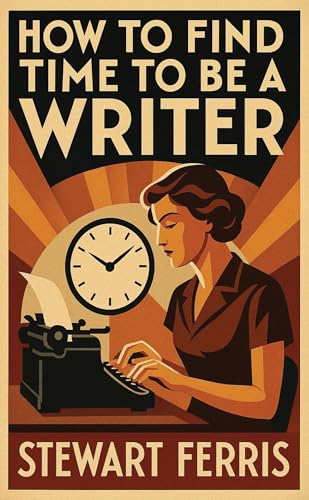
How to Find Time to be a Writer
When free time is rare, the hours to write can seem like a fantasy. Practical ways to carve them out of an ordinary week, keep momentum, and turn a full draft into something a busy life can still produce.
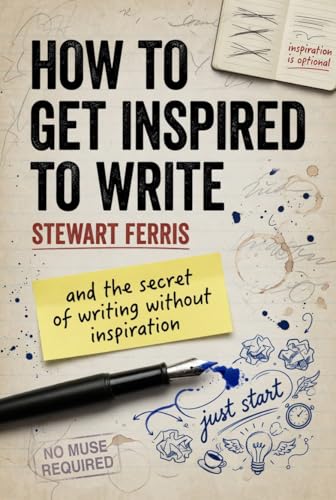
How to Get Inspired to Write
Inspiration is elusive — and it is not a prerequisite. How to let ideas in, how to find the characters and stories you need, and how to keep writing when the weather in the head has closed.
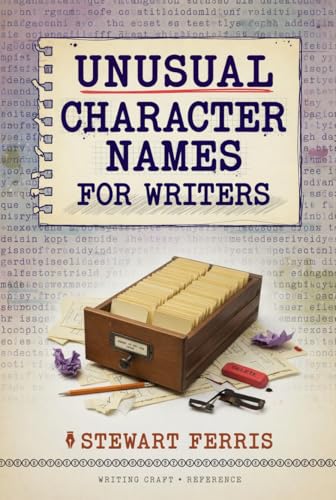
Unusual Character Names for Writers
A fiction is enlivened by names that mean something. A treasury of unusual given names and surnames, with the etymologies that let a name carry a character’s situation or temper.
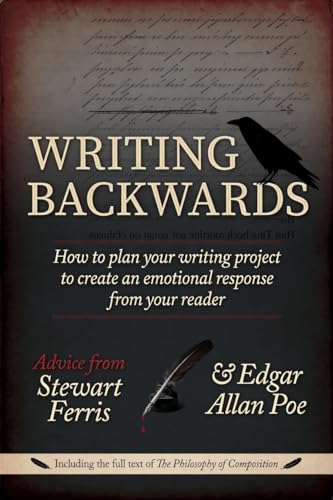
Writing Backwards
Begin with the feeling the ending must leave, then work back — Poe’s Philosophy of Composition applied to novels, stories and scripts. Structure as an emotional design, not a lucky accident.
As an Amazon Associate I earn from qualifying purchases. Links to Amazon.co.uk and Amazon.com include an affiliate tag.